
For a long time, podcasting in Africa felt uncertain. Many creators recorded episodes with passion and consistency, but growth was slow, monetization was unclear, and support was limited. Some people stopped after a few episodes, while others kept going without knowing if the effort would ever pay off. That uncertainty is beginning to change. 2026 will be a turning point for African podcasters because the environment around podcasting is finally aligning with the needs of creators.
Across Nigeria, Ghana, Kenya, Rwanda, and other African countries, podcasting is no longer seen as something “experimental” or foreign. It is gradually becoming a trusted way to learn, share stories, build communities, and even earn income. This shift did not happen overnight. It is the result of changes in audience behavior, creator mindset, and access to better tools.
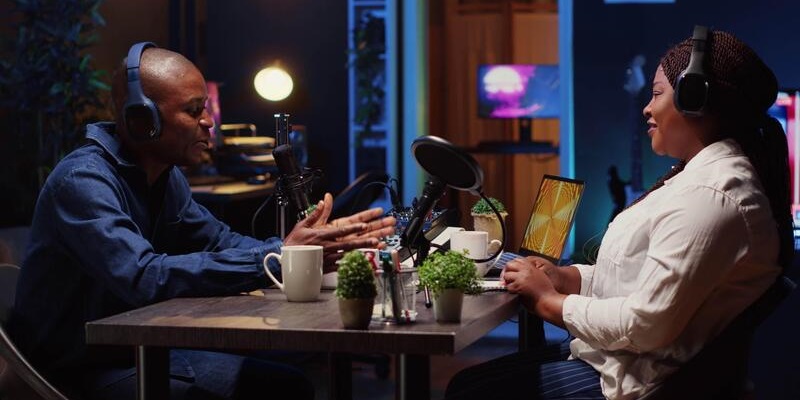
One major reason podcasting is gaining momentum is that African audiences are now more ready for long-form content. More people have smartphones, better internet access, and the habit of listening while commuting, working, or resting. People are also becoming tired of surface-level content and are looking for deeper conversations in familiar voices and accents. A Nigerian podcaster talking about career struggles or a Kenyan creator discussing tech and culture feels more relatable than generic content from outside the continent. This growing demand for local voices is a strong signal that 2026 will be a turning point for African podcasters.
Another important change is how creators themselves are thinking about podcasting. In the past, many people started podcasts simply because they enjoyed talking or wanted to share opinions. While passion is important, it is not enough to sustain growth. Today, more African podcasters are asking better questions. They want to know who their podcast is for, what problem it solves, and how it fits into their personal or professional goals. This shift from “just recording” to intentional creation is one of the biggest reasons 2026 will be a turning point for African podcasters. Podcasting is slowly being treated as a serious project, not just a hobby.
Monetization is also becoming more realistic. For a long time, many African podcasters believed that sponsorships were the only way to make money, and when sponsors did not come, they felt stuck. Now, creators are beginning to understand that podcasts can support many income paths. Some use podcasts to sell services, run paid communities, host workshops, or build authority in their industry. For example, a Ghanaian podcaster who talks about business can attract consulting clients, while a Nigerian creator can use a podcast to promote training or speaking opportunities. These practical approaches to earning are another reason 2026 will be a turning point for African podcasters.
There is also growing awareness around using the right platforms and tools. African creators are beginning to demand solutions that work with local realities, such as payment options, audience behavior, and community engagement. When creators have access to platforms that understand their environment, publishing and growing a podcast becomes less stressful and more sustainable. This support system helps creators focus on content and connection instead of constant technical frustration.
Finally, community is becoming a major strength for African podcasters. Listeners no longer want to just consume content; they want to belong. Podcasts that build Telegram groups, WhatsApp communities, or interactive spaces are growing stronger relationships with their audiences. These communities create loyalty, feedback, and word-of-mouth growth. In many cases, a small but engaged community is more powerful than thousands of silent listeners. This sense of connection is why many believe 2026 will be a turning point for African podcasters who focus on people, not just numbers.
In summary, podcasting in Africa is entering a new phase. Audiences are listening more. Creators are thinking more clearly. Monetization paths are expanding. Communities are growing stronger. All these changes are coming together at the same time. For creators who are prepared, intentional, and consistent, 2026 will be a turning point for African podcasters in ways that were not possible before.
The opportunity is real. The environment is changing. The question now is whether creators are ready to grow with it.